

Are you interested in becoming an artist or working in the art world? Compared to other sectors, finding art work experience is challenging. It can be hard to know where to look and advertised placements are few and far between, and highly competitive.
In this guide, we dive deep into how to find art work experience. Designed for students from Year 10 to Year 12, or even at university or art school, this guide explains the types of organisation that offer placements, how to apply, and how to create your own valuable experience.
We also discuss Dukes Plus’s own Young Art & Design Summer Experience, an incredible summer school in London that immerses students aged 15-18 into life as an artist or designer.
Where to Look for Art Work Experience
Finding art work experience can feel challenging at first, particularly because many opportunities are informal or unadvertised. However, the creative sector is broad, and valuable placements can be found in a wide variety of organisations.
Art Galleries
Art galleries are one of the most direct routes into art work experience. They offer exposure to how exhibitions are curated, installed, and promoted.
Many students naturally think of applying to the biggest national galleries, but applying to smaller local galleries is often more fruitful. You’re also more likely to be given interesting, hands-on work in a local gallery – for instance, you might assist with private views, help prepare exhibition spaces, or support with attracting and engaging visitors.
Another avenue to consider is commercial galleries. These can also provide insight into how artwork is marketed and sold.
Museums
Museums provide a slightly different perspective, often focusing on preservation, education, and public outreach. Work experience here might involve supporting learning programmes, assisting with archive work, or observing how collections are managed. This is particularly useful if you are interested in art history or curatorial careers.
Once again, thinking local as well as national is likely to improve your chances of an art work experience placement.
Theatres (Backstage Roles)
Theatres are an excellent option if you’re interested in the applied side of art. Backstage roles can include set design, prop-making, costume work, and lighting. These placements show how visual creativity contributes to live performance and can be especially valuable if you enjoy collaborative environments where you’re working towards a specific, practical goal.
Auction Houses
Auction houses offer insight into the commercial side of the art world. Here, you can learn how artworks are valued, catalogued, and presented to buyers. If you’re considering a career in art business or curation, then even a week or two at an auction house can help you understand the relationship between art, history, and the market.
Marketing Agencies
Marketing agencies often rely heavily on visual communication. During work experience at an agency, you might help create simple social media graphics, resize designs for different platforms, or source images for content. It’s also common to assist with research – for example, looking at competitors’ branding or gathering inspiration for campaigns.
In some cases, you may sit in on brainstorming sessions or help put together mood boards, giving you insight into how creative ideas are developed. You could also shadow designers and observe how they use software like Adobe Photoshop or Illustrator, occasionally helping with basic edits.
Graphic Design Agencies
Graphic design agencies provide hands-on exposure to digital and print design. You might support designers with research, mock-ups, or basic editing tasks, while gaining familiarity with the software used in the industry. These placements are particularly useful if you’re considering a portfolio-based creative degree or are interested in becoming a digital creative.
Signage and Print Businesses
Signage companies are often overlooked, but they offer practical experience in applying design to physical spaces. You may see how concepts are translated into large-scale prints, shopfronts, or wayfinding systems. This type of work experience helps you develop an understanding of materials, production processes, and how to execute client briefs.
Pottery Studios and Craft Shops
Independent pottery studios and craft shops can provide a more hands-on, studio-based experience. You may be involved in preparing materials, setting up workshops, or working as a shop assistant. These environments are ideal if you enjoy making and want to develop technical skills, but they can also expose you to customer service and help you understand the commercial realities of independent art businesses.
Creating Your Own Experience
One of the most important things to understand about art work experience is that you don’t have to wait for someone to offer you an opportunity. If you’re serious about a creative career (as opposed to working in the art world in a curatorial, administrative, or commercial capacity), you should start making and sharing your own work.
Developing a Portfolio
Unlike more traditional disciplines, universities and employers in the creative sector expect to see what you can do. Your ideas, your style, and your technical ability all need to be visible.
A good place to start is by creating an online portfolio. You could take advantage of online design communities. Consider platforms like:
These allow you to showcase your work, explore what others are creating, and start building a presence within the creative community. These spaces are widely used by professionals, so they can also help you understand current standards and trends.
If you don’t yet have much to include, start creating. Set yourself small projects – redesign a book cover, create a poster series, experiment with typography, or document your sketchbook work. Treat these projects seriously, as if they were real briefs. This not only builds your portfolio but also develops your discipline and creative process.
Ultimately, strong art work experience often begins with the work you create independently. The more you make, refine, and share, the more credible you become to potential employers or collaborators.
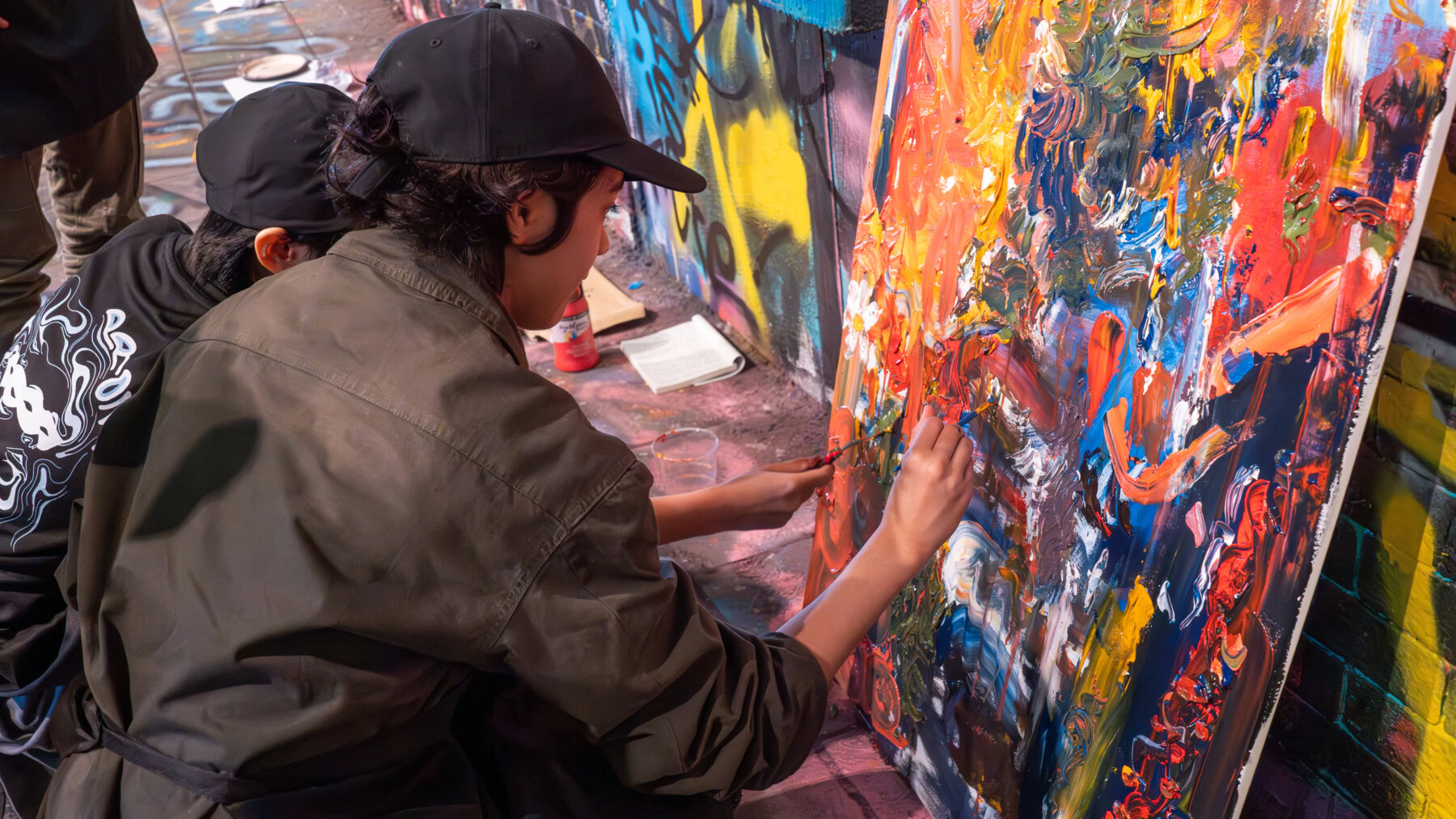
Young Art & Design Summer Experience
Immerse yourself in the career of an artist or designer on our incredible summer programme. Hone your skills with a variety of artistic masterclasses and exhibit your work in a real London gallery.
Speak to Your Teachers
It’s easy to overlook one of the most accessible sources of support: your school or college. Art teachers and careers advisers can be extremely helpful when you’re looking for art work experience.
Art teachers, in particular, often have connections with local galleries, studios, or creative professionals. They may know of opportunities that aren’t advertised, or be willing to recommend you directly if they’re familiar with your work and commitment.
Careers advisers can also be valuable. They may have established links with local businesses or be in contact with former students who have gone on to creative careers. In some cases, they can introduce you or help arrange informal work experience placements.
It’s worth having a conversation early. Even if they don’t have something immediately available, they can often point you in the right direction or help you take the next step.
Networking
In the art world, opportunities are rarely handed to you in a structured way. Many artists, illustrators, and designers are self-employed or freelance, which means they create their own opportunities by building relationships with other creatives and potential clients. As a result, paid roles and placements are often not widely advertised.
This is why networking matters. If you want to build a creative career, you need to be proactive – both in producing your work and in connecting with people who are already working in the industry.
Start by immersing yourself in creative environments. Attend exhibitions, join local creative groups, or take part in workshops and events. These spaces are often referred to as creative clusters, and they’re where collaborations and opportunities naturally develop.
It’s also important to build your confidence in speaking about your work. Networking isn’t just about meeting people – it’s about being able to explain your ideas, your interests, and what you’re aiming to do next. The more you practise this, the easier it becomes.
Online platforms can support this too. LinkedIn is particularly useful for connecting with employers, agencies, and creatives. You can follow organisations, engage with their content, and reach out with thoughtful messages to express your interest.
Jobs Boards
There are some dedicated jobs boards to help you find art work experience or placements. For instance:
- Creative Access
- The University of the Arts London’s Creative Opportunities advertises paid jobs or internships
A word of warning: advertised placements are usually very competitive and receive lots of applications. We recommend that you make speculative applications to some of the types of organisation we mentioned earlier as well as applying for formal internships or work experience opportunities.
Volunteering
Volunteering can be a valuable way to gain art work experience, particularly when you’re just starting out. Community art initiatives, local workshops, and creative outreach projects often rely on volunteers, which makes them more accessible than formal placements.
By getting involved, you can build practical skills while contributing to something meaningful. This might include helping to run workshops, assisting with exhibitions, or supporting community events. These experiences also demonstrate initiative and a genuine interest in the creative sector.
If you’re struggling to find formal opportunities, volunteering is a strong alternative – and often leads to further experience, contacts, and material for your portfolio over time.
Free Webinar
Watch the recording of our webinar ‘Breaking into the Creative Arts’ with a professional illustrator and designer for tips on taking your first steps into a creative career.
How to Apply for Art Work Experience
Applying for art work experience often requires a slightly different approach to more traditional placements. Some opportunities are advertised, but many are not – which means you’ll need to be confident making speculative applications as well as responding to formal listings.
Applying for Advertised Placements
When applying to a listed opportunity, treat it professionally and follow the application instructions carefully. Usually, organisations will request a CV, a short cover letter, and sometimes a portfolio.
Make sure your application is tailored. Refer specifically to the organisation you’re applying to, explain why you’re interested in their work, and highlight any of your skills or work which are particularly relevant to this employer. With a high number of applicants to compare, organisations will be looking for evidence of creativity, initiative, and genuine interest in the field.
If they request a portfolio, keep it concise and focused. Include your strongest work, and ensure it is clearly presented and easy to navigate. A carefully curated selection of quality pieces is far more impressive than a random collection of dozens of efforts.
Making Speculative Applications
Speculative applications are a key part of securing art work experience. Many galleries, studios, and agencies don’t formally advertise placements, but may still be open to taking on a motivated student.
Start by researching the organisation so you can write a personalised message. A generic email is easy to ignore, whereas a thoughtful approach shows genuine interest.
When you reach out:
- keep your email short and professional
- introduce yourself clearly and explain what you’re looking for
- briefly mention your interests or relevant work
- include your portfolio (if relevant) and CV
It’s also important to be realistic and flexible. You might not be offered a formal ‘placement’, but you could be invited to shadow someone, help on a short project, or gain informal experience. These opportunities are still valuable.
Following Up and Staying Professional
If you don’t receive a response, it’s acceptable to send a polite follow-up after a week or two. However, avoid sending multiple messages or putting pressure on the recipient.
Above all, maintain a professional tone throughout. The creative industries are often built on relationships and reputation, so how you communicate is just as important as the work you produce.
Art Work Experience in Year 10
If you’re in Year 10, you may feel that your options for art work experience are limited – but there are still some excellent opportunities available.
Some organisations do offer advertised work experience specifically for younger students. For example:
- Sainsbury Centre – offers a week-long placement where you can explore different roles within an art museum. You’ll work across a variety of teams, support gallery staff, and complete your own project while gaining useful skills for your CV.
- artsdepot – runs week-long placements for students in Years 10–13, giving you the chance to spend time with different departments and see how a busy arts venue operates.
These structured opportunities are a great starting point, particularly if it’s your first experience of a professional environment. However, it’s important not to rely on advertised placements alone.
At this stage, being proactive can make a significant difference. Local galleries, community art projects, small studios, or even independent artists may be open to offering short, informal experiences if you approach them politely and show genuine interest. Even a few days of shadowing or helping out can be valuable.
For Year 10 art work experience, the focus should be on exploration. You’re not expected to have a polished portfolio or a clear career plan yet – but showing curiosity, enthusiasm, and a willingness to get involved will go a long way in helping you secure your first experience in the industry.
Art Work Experience in Year 12
By Year 12, you’re in a stronger position to secure meaningful art work experience. At this stage, prospective employers will expect you to show greater independence, a clearer sense of your interests, and ideally some existing work or a developing portfolio.
There are also more structured and competitive opportunities available, particularly with major cultural organisations. For example:
- Victoria and Albert Museum – offers work experience weeks for students aged 16–19 who want to explore careers in the cultural sector. These placements provide insight into how a large, internationally recognised museum operates, and expose you to a range of professional roles.
- Art UK – runs a Summer Work Experience Programme for students aged 16–24. This is a week-long online placement open to applicants across the UK, where you’ll work with different teams such as Commercial, Content, Digitisation, Learning, and Marketing. The programme is designed to build skills, confidence, and understanding of careers in the arts and heritage sector, with tasks that reflect day-to-day work within the organisation.
The artsdepot placement we mentioned in the previous section will also be relevant for Year 12 art work experience.
These types of programmes are highly valuable, but also competitive. Make your application as strong and tailored as possible – but remember not to rely solely on advertised opportunities. In Year 12, you could be actively reaching out to galleries, agencies, and studios yourself, while working on your own portfolio in your spare time.
As you begin to think about life beyond school, showing initiative and evidence of your burgeoning skills and interests will help you secure meaningful experiences.
Design Work Experience
Design work experience is a great option if you’re interested in applying your creativity in a more structured context where problem-solving and meeting client needs are key. While fine art often focuses on personal expression, design is usually driven by a brief – whether that’s creating a logo, a website layout, or visual content for a campaign.
You can find design work experience in a range of settings. Graphic design and branding agencies are the most obvious starting point, but you should also consider marketing agencies, digital studios, print and signage companies, and even in-house design teams within larger businesses. Smaller studios are often more open to short placements, particularly if you approach them directly.
During a placement, you might assist with simple design tasks, adapt existing visuals, or support research for ongoing projects. You’ll also gain insight into how designers work to briefs and operate within constraints such as deadlines and brand guidelines.
One of the key benefits of design work experience is that you’re likely to produce work that can end up in your portfolio. Even small contributions to a project on your placement – such as mock-ups, layouts, or concept ideas – can, with time, effort, and careful reflection, be developed and included in your portfolio.
You might also like to consider this virtual graphic design work experience from Springpod.
The Young Art & Design Summer Experience
If you’re looking for art work experience, Dukes Plus’s Young Art & Design Summer Experience is an incredible summer school in London for ages 15-18.
Over two inspiring weeks, you’ll immerse yourself in the life of an artist in one of the world’s most creative cities and experience the vibrant art scene of London firsthand:
- Sketch the iconic skyline from the top of The Tate Modern
- Hone your skills with a variety of artistic masterclasses
- Showcase your work in a real London gallery
Learn more about The Young Art & Design Summer Experience or book your place today.
FAQs
Yes – compared to other sectors, art work experience can be more difficult to secure. Many opportunities are not formally advertised, and those that are tend to be highly competitive. However, this doesn’t mean opportunities don’t exist. It simply means you need to be more proactive in searching, reaching out, and creating your own experience.
Start with a broad approach. Good places to look include galleries, museums, theatres, design agencies, and local creative businesses. Smaller, local organisations are often more accessible than large national institutions and may offer more hands-on experience.
When looking for art work experience in Year 10, your options may be more limited, but there are still good opportunities available. Some organisations offer structured placements for younger students, but these can be competitive.
It’s also worth reaching out to local galleries, community projects, or small creative businesses. Even short, informal experiences – such as shadowing or helping with events – are valuable at this stage. The focus should be on exploring your interests and gaining your first exposure to the sector.
In most cases, yes – especially from Year 12 onwards. A portfolio shows your skills, interests, and creative thinking. If you don’t have much work yet, start creating your own projects and upload them to platforms like Behance or Dribbble. Even a small, well-presented portfolio is better than none.
By the time you’re looking for Year 12 art work experience, you should aim for more structured and relevant experience. This could include applying to advertised placements at galleries, museums, or auction houses, depending on your interests.
At the same time, you could make speculative applications to smaller, local businesses and organisations, while continuing to build your portfolio. At this stage, experience that ties directly to your future study or career plans will be particularly valuable.
If you can’t secure a formal placement, focus on building your own experience. Work on projects that interest you, volunteer with community art initiatives, attend art events in your local area, and network as much as possible with people in the industry. In a creative career, the quality of what you make and the breadth and depth of your connections often matters just as much as formal work experience.